


Here’s a general timeline of what you can expect as your body recovers and your results begin to take shape.
Every procedure and every patient is different. Your recovery will depend on the type of surgery performed, your individual healing process and the specific instructions provided by your surgical team. Understanding the general stages of recovery can help you prepare and know what to expect along the way.
 First 24–48 Hours
The first two days are focused on rest, comfort and early healing.
Swelling, tightness, tenderness and mild to moderate discomfort are common during this stage. Depending on your procedure, you may also have dressings, compression garments or temporary swelling and bruising around the treated area.
During this time:
Having a responsible adult available to assist you during the initial recovery period is also recommended.
 First Week
During the first week, swelling and bruising may still be noticeable, although many patients begin to feel gradually more comfortable each day.
Your energy level may be lower than usual, and your body needs time to focus on healing. Light movement is often encouraged to promote circulation, while physical exertion should remain limited.
You may have a post-operative appointment during this period so your surgical team can evaluate your healing and provide additional instructions.
 Weeks 2–4
By this stage, many patients begin to feel more like themselves again.
Swelling and bruising usually continue to decrease, and depending on the procedure and the type of work you do, you may be able to return to many normal daily activities.
Your body is still healing internally, even when you begin to feel better. It is important to gradually resume activities and follow your surgeon’s recommendations regarding exercise, driving, work and lifting.
Some swelling may still remain, particularly after body contouring, breast or facial procedures.
 Weeks 4–12
During the following weeks, your recovery generally becomes less about immediate healing and more about refinement.
Most visible bruising has typically resolved, swelling continues to decrease and your results become progressively easier to appreciate.
Depending on your procedure and your surgeon’s instructions, you may gradually return to more intense physical activity.
Scars can still appear pink, firm or noticeable during this stage. Scar maturation is a gradual process and can continue for many months.
 Your Final Results
Cosmetic surgery results continue to develop gradually as swelling resolves and tissues settle.
Some procedures may show significant improvement within a few weeks, while others require several months before the final result can be properly evaluated.
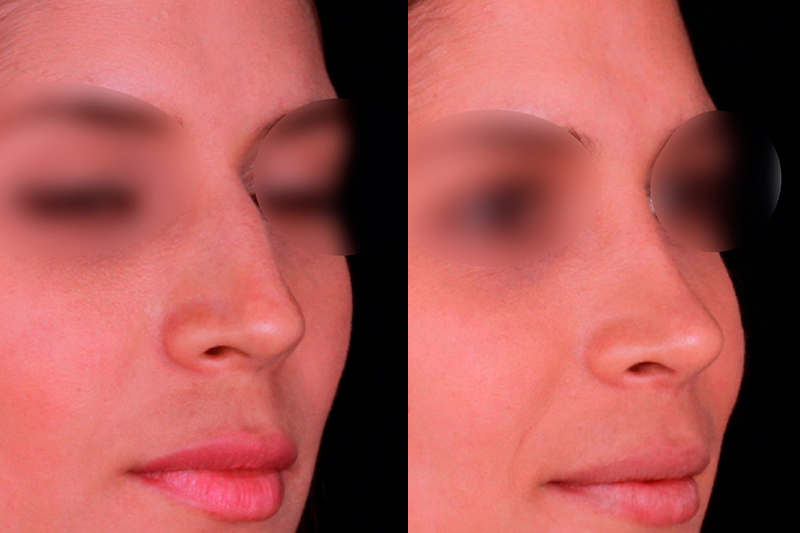
Facial procedures, rhinoplasty, breast surgery and body contouring all have different recovery patterns. Residual swelling can remain longer than expected, even when you already feel completely recovered.
Patience is an important part of the process.
Your surgical team will monitor your progress during follow-up visits and help you understand how your individual results are developing.
 IMPORTANT: Every patient heals differently. Always follow the personalized post-operative instructions provided by your surgical team, even if your recovery seems different from someone else’s.
Contact your surgical team promptly if you experience symptoms that concern you, including unexpected or worsening pain, significant swelling, unusual drainage, persistent fever or any sudden change in how you feel.